Why Glamping Resorts Usage Rain Flies for Style and Feature
Glamping has redefined what it implies to rest outdoors. Visitors anticipate the convenience of a shop resort covered in the environment of the wild, and every style option a hotel makes needs to serve both moods at the same time. Couple of aspects do this as successfully as the rain fly, the weatherproof outer layer draped over a safari camping tent, bell tent, or yurt. What was once a simply practical item of camping equipment has come to be a trademark design function in the glamping industry, forming both how a hotel carries out in bad climate and exactly how it looks in a visitor's photos.
Securing the Guest Experience from the Aspects
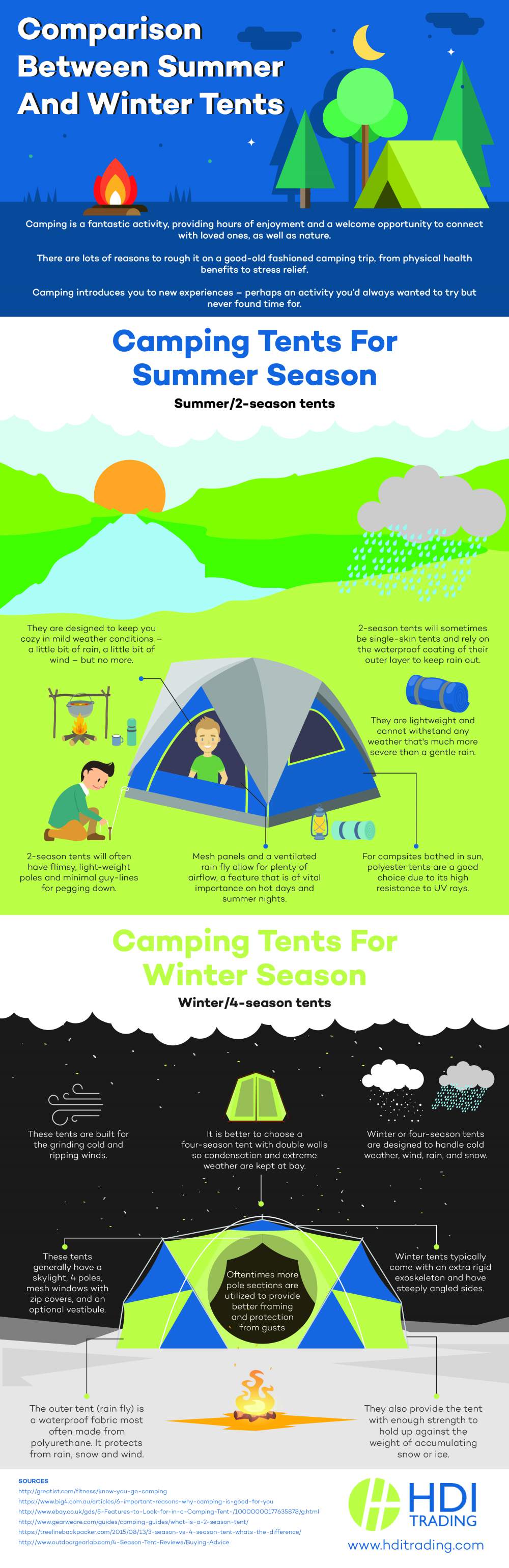
At its core, a rain fly exists to keep water out. Glamping frameworks are typically constructed with canvas walls, mesh home windows, and open-air verandas, all of which are prone to wind-driven rain and merging wetness. A well-fitted rain fly produces an obstacle above the camping tent's roofline, transporting water far from seams, zippers, and windows prior to it can leak within. This matters immensely for guest satisfaction. A dripping outdoor tents during a tornado can transform a five-star evaluation right into a one-star grievance overnight, and unlike a resort, a glamping device can not simply relocate a visitor down the hall while maintenance is called.
Beyond leakages, rain flies also secure the structural canvas itself. Direct direct exposure to sunlight, rain, and wind breaks down textile in time, triggering fading, mold, and weakening of the material. By functioning as a sacrificial external layer, the rain fly takes in the majority of that ecological wear, extending the lifespan of the a lot more pricey inner tent structure. For hotel proprietors managing dozens of systems throughout a home, this converts straight right into reduced long-term maintenance and replacement expenses.
Managing Temperature Level and Airflow
Rain flies do more than block rainfall. The airspace in between the fly and the tent's roofing system serves as insulation, lowering heat buildup during the day and slowing down warmth loss during the night. Many glamping resorts utilize flexible flies with roll-up sides or vented panels, permitting team or guests to tweak air flow depending upon the season. In damp environments, this air flow space additionally aids protect against condensation from forming inside the outdoor tents, which can or else leave bedding and furniture damp and musty.
A Design Element as Much as a Shield
What sets glamping apart from traditional camping is the deliberate attention to looks, and rainfall flies have actually become part of that aesthetic language. Resorts commonly pick fly shades and forms that match the bordering landscape: natural canvas tones for desert setups, deep environment-friendlies for forested homes, or crisp white canopies for seaside places. The silhouette of a peaked or bell-shaped fly against a mountain background has actually ended up being nearly famous in glamping advertising photography.
Some resorts go further, using the rainfall fly's overhang to develop a shaded outdoor patio or entryway, extending the tent's useful exterior area while providing it a much more architectural, intentional appearance. This obscures the line in between a practical cover and a style feature, turning what campers as soon as considered as a rainfall jacket for a tent into something more detailed to a roofline in an item of shop architecture.
Durability That Sustains the Brand name
Guests paying costs prices for a glamping remain expect the residential or commercial property to look immaculate, not weathered or covered. Top notch rain flies, generally made from ripstop polyester or canvas with waterproof coatings, stand up to tearing, UV deterioration, and mold growth much better than the tent textile alone. This toughness safeguards the resort's aesthetic brand name as much as its physical structures. A faded, sagging tent roofing system undermines the feeling of deluxe a glamping hotel is marketing, while a crisp, well-kept fly strengthens it.
Stabilizing Design and Functionality
The popularity of rainfall flies in glamping eventually comes down to a simple truth: visitors intend to feel connected to nature without compromising convenience or integrity. A rain fly supplies on both fronts. It fixes the sensible troubles of weatherproofing, insulation, and architectural long life, while additionally adding to the curated, photogenic visual that draws visitors to glamping in the first place.
Verdict
As the glamping industry remains to grow and take on conventional friendliness, little design choices bring outsized weight. The rain fly is a clear example of feature driving type. It started as a sensible service to keep outdoors tents dry, yet resorts have transformed it right into a gift bag specifying aesthetic component of the glamping experience. For any kind of building aiming to stabilize guest comfort, architectural toughness, and an unforgettable aesthetic, buying properly designed rain flies is one of the most basic and most efficient choices a glamping hotel can make.